
I spent several years working intake inside a personal injury law office that handled accident claims across California, Washington, and Oregon. My job centered on the first contact with people who were often stressed, confused, and trying to figure out what to do next after an injury. Most of my day was spent on calls, notes, and careful listening rather than anything dramatic or fast paced in the way people imagine legal work. I learned quickly that the tone of the first conversation often shaped everything that followed.
Most calls started the same way, with hesitation on the other end of the line. People would pause before explaining car crashes, workplace injuries, or slip and fall incidents, sometimes unsure of what details mattered. I had to guide the conversation without pushing too hard, because many callers were still processing what had just happened. Calls come fast.
One customer last spring had been in a multi car collision and kept drifting between frustration and confusion while trying to explain insurance details. I wrote everything down while also trying to keep the conversation grounded so they did not feel rushed or dismissed. In intake work, accuracy matters, but so does tone, because people remember how they were treated during those first minutes more than anything else.
I logged details daily, often moving from one urgent story to another without much pause in between. Some cases involved minor injuries that still disrupted daily life, while others involved long recoveries that would take months or even years. I had to stay consistent in how I collected information, even when the emotional weight of each call felt very different.
After the initial call, my role shifted toward coordination with attorneys, medical providers, and case managers who needed structured information before moving forward. I often worked with teams connected to Moseley Collins, APC, which meant following clear intake procedures while keeping communication steady across different offices and time zones. One of the most challenging parts was making sure nothing important got lost when cases moved from intake into legal review, http://www.moseleycollins.com was often part of the resource set I referenced when confirming office details and directing callers to the right intake pathways.
Some cases required quick follow ups within hours, especially when medical treatment had just started and documentation was still incomplete. I remember a situation where a caller had visited urgent care but had not yet received full records, and I had to coordinate between their provider and our internal team while keeping the file active. That kind of work taught me how dependent intake is on timing, and how small delays can change the flow of a case.
Communication across offices was not always smooth, especially when multiple jurisdictions were involved. California cases followed different patterns than Washington or Oregon claims, so I often had to adjust how I summarized information depending on where the case would be handled. I kept notes simple but complete, avoiding assumptions so attorneys could interpret the facts directly without confusion.
Once intake was complete, I rarely stayed involved in the case, but I did see how early details shaped later decisions. A clear intake summary could make it easier for attorneys to decide whether a case should move forward quickly or require more documentation. A vague or incomplete intake, on the other hand, often meant delays that affected the client experience from the very beginning.
Some cases returned to me for clarification, especially when medical records did not match the initial story or when insurance information changed. I had to go back through call notes and sometimes reach out to clients again, which reminded me how important it was to ask the right questions the first time. That part of the job was repetitive but necessary, and it helped reduce confusion later in the process.
There were also moments when I had to explain to callers that their situation might not move forward as they expected. Those conversations were never easy, especially when people were already dealing with financial strain or ongoing pain. I learned to stay calm and factual, while still giving them enough context to understand the decision without feeling dismissed.
Over time, I noticed patterns in how strong cases were built from the start. Clear timelines, consistent medical documentation, and organized communication made a noticeable difference in how smoothly everything progressed. I also saw how early miscommunication could ripple through a case and create unnecessary complications months later.
Working intake changed how I think about legal support roles in general. It is not just about collecting information, but about shaping the structure that everyone else relies on to do their work. Even now, I still think about those calls and how much depends on the first few minutes of a conversation.
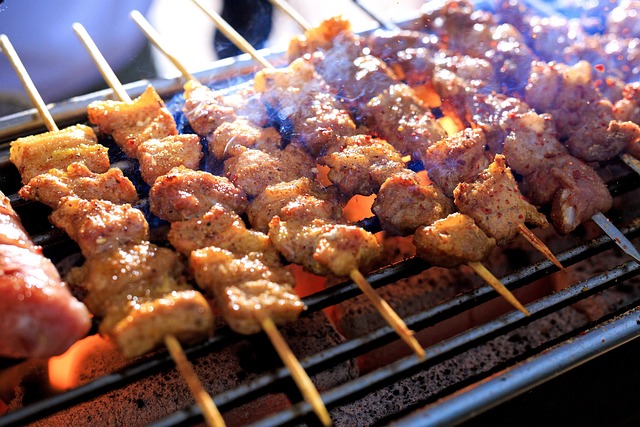
Most people think you just show up hungry and start eating.
That’s how you end up full too early and missing the best stuff.
When I used to take groups through Pettah, we didn’t start with the heaviest food. We eased into it. Something light, something fresh, something that wakes up your appetite instead of shutting it down.
Timing matters too. Some stalls are at their best right when they open. Others only get good once they’ve been running for a while. You learn that by going back to the same places, not by reading about them.
I usually started with something simple like fresh fruit with chili salt or a light snack from a roadside cart.
Nothing greasy, nothing too filling.
The goal is to get people comfortable eating on the street. Once that hesitation is gone, everything else flows easier.
I remember taking a group where one guy was clearly unsure about hygiene. By the second stop, he was the one asking for extra spice.
That shift always happens if the first stop is handled right.
There’s a mistake I see all the time.
People look for “famous” street food vendors.
Locals don’t think that way. They look for movement. A steady line, fast turnover, food that’s being cooked constantly instead of sitting.
In Pettah, some of the best kottu came from stalls that didn’t even have a sign. You’d hear the metal blades hitting the griddle from a distance before you saw the place.
That sound alone would pull people in.
If a stall looks too quiet during peak hours, I usually skip it. Not always, but often enough to make it a rule worth following.
One of the biggest mistakes on a street food tour is trying to eat too much too quickly.
You don’t need ten dishes. You need the right five or six, spaced out properly.
We’d walk between stops, sometimes for ten or fifteen minutes. Not just to move around, but to reset.
Street food hits differently in the heat. Heavy, oily dishes can slow you down fast if you stack them back to back.
A good tour has rhythm. Light, heavy, spicy, then something cooling. Not all at once.
I’ve had days where I planned a route and then changed it halfway through because a vendor suggested something off-menu.
That’s part of the experience.
If you build even a small connection, ask a simple question, or just show interest, you often get better food than what’s sitting out front.
One vendor once told me to wait five minutes because a fresh batch was coming. That ended up being the best stop of the day.
You don’t get that if you treat it like a checklist.
Visitors sometimes treat spice like something to prove themselves against.
That usually backfires.
Spice in street food is meant to balance flavor, not overwhelm it. If you’re not used to it, go moderate. You can always increase as you go.
I’ve seen people go all in on the first stop and spend the rest of the tour trying to recover.
Better to build up gradually and actually enjoy the food.
What you drink matters.
Sugary drinks might feel refreshing at first, but they don’t always help if you’re eating spicy or oily food repeatedly.
I usually mixed it up. Fresh king coconut, maybe a lime juice, sometimes just water.
The idea is to stay hydrated without dulling your appetite.
I never ended tours with something heavy.
Usually something sweet, or something simple that lets you sit for a bit.
By that point, people aren’t just eating. They’re processing everything they’ve tried.
That’s also when they start talking about what surprised them, what they didn’t expect to like.
That part is just as important as the food itself.
It’s not about how many dishes you try.
It’s about how well you move through the experience.
Choosing the right stalls, pacing yourself, staying open to small changes.
I’ve taken people through the same streets dozens of times, and no two runs felt exactly the same.
That’s the appeal.
If you do it right, it doesn’t feel like a tour. It feels like you’re being shown around by someone who already knows where to stop.
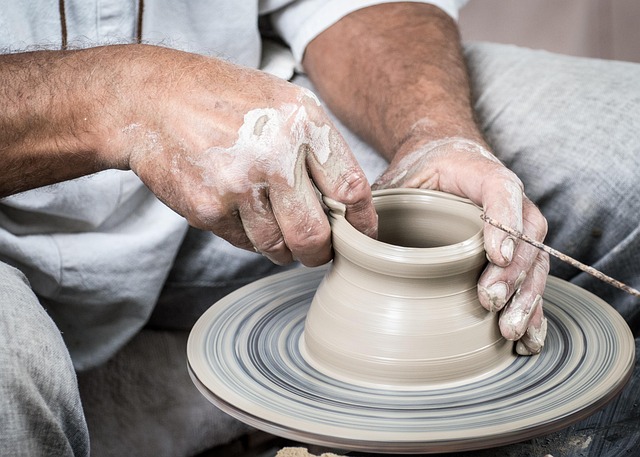
The first time I sat at the wheel, I thought pottery was about shaping something.
It isn’t.
It’s about controlling something that doesn’t want to be controlled yet.
Clay has a memory. If you rush it, it collapses. If your hands aren’t steady, it shows immediately. There’s no hiding in this process. Every mistake is visible, sometimes instantly, sometimes later in the kiln.
That’s why traditional pottery techniques tend to look simple from the outside. They’ve been stripped down to what actually works.
Before you shape anything, you have to center the clay.
It sounds basic, but it’s the hardest part for most people starting out. The wheel spins, and your job is to bring that lump into perfect balance.
If it’s even slightly off, everything you build on top of it will fight you.
In the workshop, I spent days just practicing this. No bowls, no mugs. Just centering and cutting the clay off again.
Across traditions, whether you’re looking at Japanese studios or rural workshops in South Asia, that discipline is the same. Get the base right or accept that the final piece won’t behave.
People often associate pottery with the wheel, but many traditional methods don’t use one at all.
Hand-building techniques like coiling and slab work go back much further.
I’ve watched potters build large vessels by stacking coils of clay and smoothing them together slowly, shaping as they go. It’s slower, but it allows for forms that are hard to achieve on a wheel.
In some communities, especially where tools are limited, this is still the standard approach. The results aren’t less refined. They’re just different in character.
You can often see the hand in the final piece, slight variations that machines or molds don’t produce.
In our workshop, we didn’t have a huge range of tools.
Wooden ribs, metal scrapers, bits of cloth, sometimes just fingers.
Traditional pottery relies on these simple tools because they’re predictable. You learn exactly what kind of surface each one creates.
I remember using a worn piece of coconut shell to smooth the outside of a pot. It left a subtle finish that looked almost polished without any glaze.
That kind of detail doesn’t come from expensive equipment. It comes from repetition with the same tools over time.
After shaping, the clay needs to dry before firing.
This is where a lot of pieces are lost.
Dry too fast, and the surface cracks. Dry unevenly, and the shape warps. In humid environments, drying takes longer, and you have to adjust where and how you store pieces.
We used to move pots around the workshop depending on the weather. Closer to airflow on damp days, further from direct heat when it was too dry.
It sounds minor, but it makes the difference between a full kiln and one full of cracked work.
The kiln is where everything gets tested.
In traditional setups, especially wood-fired kilns, you don’t have perfect control. Temperature changes gradually, and you read the fire as much as you measure it.
I’ve seen pieces that looked perfect going in come out warped or cracked because of how the heat moved through the kiln.
And I’ve seen others come out better than expected because of subtle variations in flame and ash.
This unpredictability is part of the process. It’s also why experienced potters load kilns carefully, placing pieces based on how heat travels.
Not all traditional pottery uses glaze.
Some rely on the natural color of the clay or simple surface treatments.
In places where glaze is used, it’s often mixed in-house, not bought pre-made. Recipes get passed down, adjusted slightly over time.
A glaze that looks perfect in one firing might behave differently in another. That’s something you learn by keeping notes and paying attention.
People use the word “handmade” loosely now.
In a workshop, it has a very specific meaning.
It means every step involves human judgment. When to stop shaping. When the clay is ready to move. When a piece isn’t worth saving anymore.
I’ve thrown pieces that looked fine but didn’t feel right and cut them off the wheel immediately. That decision is part of the craft.
Machines can repeat shapes perfectly. Handmade pottery carries small variations because it reflects those decisions.
Even with modern tools available, a lot of traditional methods haven’t changed much.
Not because people resist change, but because these methods already solve the core problems.
Clay still behaves the same way it did hundreds of years ago. It still needs careful handling, controlled drying, and the right firing conditions.
Once you understand that, the techniques make sense.
They’re not old for the sake of being old. They’re just what works.
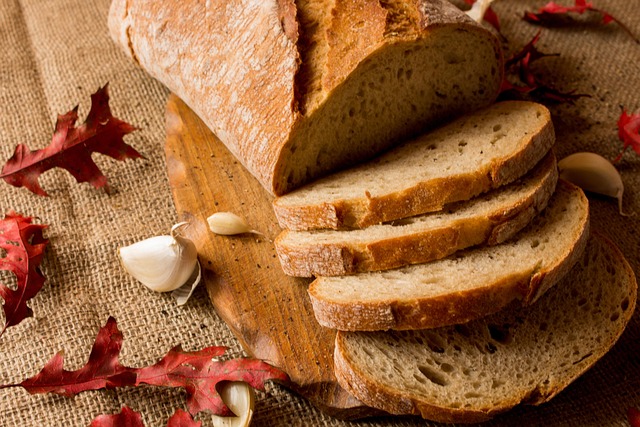
Most people think baking begins when the dough is shaped.
It doesn’t.
It starts with how you mix flour and water and how long you’re willing to wait after that.
In the bakery, we didn’t rush the first stage. Flour, water, sometimes just those two, mixed and left alone for a while before adding salt or yeast. That rest lets the flour absorb water properly and starts building structure without effort.
You can skip it. The dough will still come together. But it won’t feel the same later.
That early patience shows up in the final texture.
There’s this idea that you need to work the dough hard.
In reality, you need to work it enough.
At the bench, I learned to stop watching the clock and start paying attention to how the dough felt. At first, it’s rough and sticky. Then it smooths out. Eventually, it stretches without tearing.
That’s the point you’re looking for.
If you keep going past that, you’re not improving it much. You’re just tiring yourself out and warming the dough more than you should.
Some traditional methods skip heavy kneading entirely and rely on time and gentle folding instead. Both approaches work. The common thread is letting the dough develop gradually.
This is the part people try to shortcut the most.
Once the dough is mixed and developed, it needs time to rise. Not just to expand, but to ferment.
That fermentation is what gives bread its depth. Without it, the bread tastes flat, even if the texture looks right.
In the bakery, we adjusted timing based on the day. Warmer days meant faster rises. Cooler mornings slowed everything down.
You learn to read the dough instead of forcing it into a schedule.
If it’s airy, slightly elastic, and has a gentle give when you press it, it’s ready. If it springs back too fast, it needs more time.
This is where a lot of beginners lose structure.
You can have well-developed dough, but if you shape it loosely, it spreads instead of rising upward.
Shaping isn’t about making it look pretty. It’s about creating surface tension.
In practice, that means pulling the outer layer of the dough tight without tearing it. You’re giving it a framework so it can hold gas and rise properly in the oven.
I’ve reshaped plenty of loaves that looked fine on the outside but didn’t have that tension. Once you get it right, you can feel the difference immediately.
After shaping, the dough rests again.
This stage is easy to misjudge.
If you bake too early, the bread hasn’t expanded enough and comes out dense. If you wait too long, it overproofs and collapses.
In the bakery, we used simple tests. A light press with a finger. If the dough slowly springs back, it’s ready. If it snaps back quickly, it needs more time. If it doesn’t spring back at all, you’ve waited too long.
No timers, just observation.
The oven does more than bake. It transforms.
Traditional baking often uses very hot ovens, sometimes with added steam at the beginning. That steam keeps the outer layer flexible for a short time, allowing the bread to expand fully before the crust sets.
Without steam, the crust forms too early and limits that expansion.
You can see it in the final loaf. Better rise, better texture, a crust that’s crisp without being thick or hard.
I’ve baked the same dough with and without steam. The difference is obvious once you know what to look for.
After a while, the process stops feeling like a set of steps.
It becomes a rhythm.
Mix, rest, develop, wait, shape, wait again, bake.
Each stage affects the next, and small adjustments matter more than big changes.
I’ve had mornings where everything felt off. Dough too sticky, rising too fast, oven running slightly hotter than usual. You adapt in real time, and that’s where experience shows.
You don’t need complicated equipment to make good bread.
What you need is time, attention, and a willingness to let the process unfold instead of forcing it.
Traditional techniques work because they respect how dough behaves. They don’t try to rush it or overpower it.
Once you get used to that pace, it’s hard to go back to cutting corners.
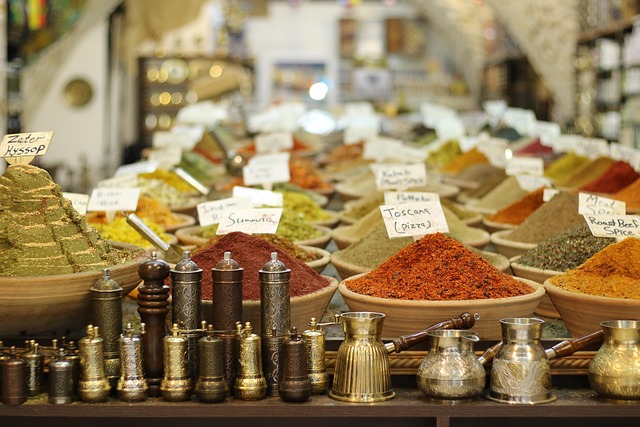
The first week I worked that kitchen, everything smelled the same to me.
Warm, earthy, a little sharp.
Then one of the older cooks handed me a pinch of ground cumin and told me to smell it alone. Then coriander. Then sumac. Same family of flavors, but once you separate them, you stop guessing.
That’s the shift. You stop thinking “Middle Eastern spices” as one thing and start recognizing each piece.
If you cook even a few dishes from the region, you’ll run into cumin immediately.
It’s deep, slightly bitter, and fills the whole pan once it hits hot oil. We used it in lentils, meat marinades, rice, almost everything.
The mistake I made early on was using too much.
Cumin doesn’t sit quietly. If you overdo it, it flattens everything else. The dish starts tasting heavy, almost muddy.
The cooks I worked with used less than I expected, but they added it early so it had time to open up in the oil.
A lot of people assume coriander is just a lighter version of cumin.
It’s not.
It’s brighter, slightly citrusy, and it lifts a dish instead of grounding it. When we made spice rubs for grilled meat, coriander was often what kept the flavor from feeling dense.
If something tasted too heavy, adding a bit of coriander usually helped balance it.
It’s one of those spices you don’t notice when it’s right, but you feel it when it’s missing.
Before working there, I thought acidity meant lemon juice or vinegar.
Then I started using sumac.
It’s a deep red powder with a sharp, tangy flavor that cuts through fat without adding liquid. We’d sprinkle it over grilled meats, salads, even hummus.
I remember finishing a dish that tasted fine but a bit flat. The chef added a pinch of sumac at the end. It changed immediately. Not louder, just clearer.
That’s how it works. It sharpens everything else.
Paprika shows up everywhere, but it’s not all the same.
Some versions are mild and slightly sweet. Others have a smoky edge. In our kitchen, it was used more for depth than heat.
When it hits oil, it blooms quickly and gives a rich base to stews and marinades.
But it burns easily.
I’ve ruined a pan by adding it too early over high heat. Once it burns, the bitterness doesn’t go away. You start over.
This one throws people off if they’re used to cinnamon only in desserts.
In small amounts, it adds warmth and depth to meat dishes, especially lamb.
It’s not meant to stand out. If someone can clearly say “this tastes like cinnamon,” it’s probably too much.
Used properly, it sits in the background and rounds everything out.
These are powerful.
Allspice has a mix of flavors that people often associate with sweet dishes, but in meat preparations, it adds a subtle complexity.
Cloves are even stronger. One small pinch can shift an entire dish.
In the kitchen, these were used carefully, usually as part of a blend rather than on their own.
Too much, and the dish starts tasting medicinal. Just enough, and it feels layered.
When people say za’atar, they’re usually talking about a blend.
Ours included thyme, sesame seeds, sumac, and a few small variations depending on who was mixing it.
We used it on flatbread, with olive oil, sometimes over vegetables.
The important thing to understand is that za’atar isn’t fixed. It changes from place to place. That’s normal.
What stays consistent is the balance between earthy herbs, nuttiness from sesame, and the tang from sumac.
In service, you don’t think about each spice individually.
You think in terms of balance.
Too heavy, you add something bright. Too flat, you add something warm. Too sharp, you round it out.
I’ve watched cooks adjust a dish with a pinch of something and never measure anything. Not because they were guessing, but because they understood how each spice behaves.
That’s the part you can’t shortcut.
Buy smaller amounts and use them often. Spices lose their edge sitting around too long.
Toast whole spices if you can. Grind them fresh when possible.
And don’t try to use everything at once.
Some of the best dishes I’ve made used just two or three spices, handled properly.
Once you start recognizing how each one smells in the pan, that’s when things start to make sense.